

Upper GI & Esophagus
Acid Reflux (GERD)
Chronic acid reflux that can damage the esophagus if left untreated.
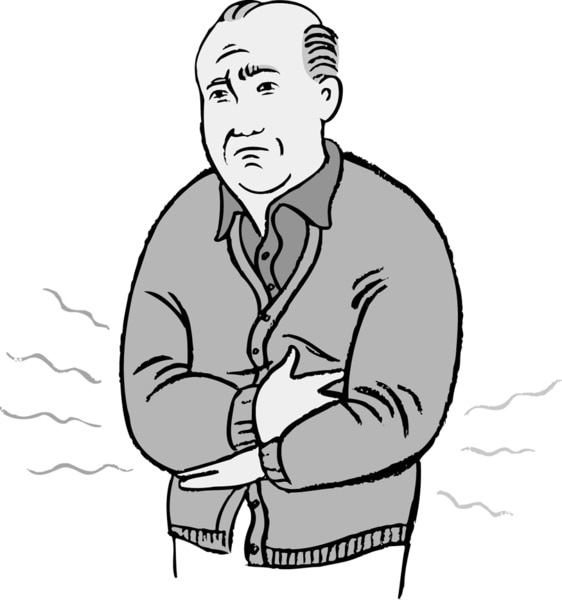
Image: National Institute of Diabetes and Digestive and Kidney Diseases (NIDDK), NIH
CategoryUpper GI
Typical NatureChronic
UrgencyRoutine evaluation
What Is Acid Reflux (GERD)?
Gastroesophageal reflux disease (GERD) occurs when stomach acid frequently flows back into the esophagus, irritating its lining. While occasional heartburn is common, GERD is a chronic pattern that can lead to real complications if untreated.
Symptoms of Acid Reflux (GERD)
Common Symptoms
- Frequent heartburn, especially after eating or lying down
- Regurgitation of food or sour liquid
- Chest discomfort
- Difficulty swallowing
- Chronic cough or hoarseness
Causes & Risk Factors
Common Causes
- A weakened lower esophageal sphincter
- Hiatal hernia
- Obesity and abdominal pressure
- Certain foods, alcohol, and smoking
- Pregnancy
Risk Factors
When to See a Doctor: Red-Flag Symptoms
Most digestive symptoms can be evaluated at a routine visit. However, seek prompt medical attention if you experience any of the following:
- Difficulty or pain swallowing
- Vomiting blood or material resembling coffee grounds
- Unintended, unexplained weight loss
- Persistent vomiting that doesn't improve
If you're experiencing a medical emergency, call 911 or go to your nearest emergency room.
How Acid Reflux (GERD) Is Diagnosed
- A detailed symptom history and physical exam
- Upper endoscopy to directly examine the esophagus and stomach
- H. pylori testing when indicated
- Imaging or lab work to rule out related causes
Treatment Options
- Dietary and lifestyle changes
- Acid-reducing medications
- Upper endoscopy for persistent cases
- Anti-reflux procedures for severe, refractory GERD
Related Services & Procedures
Prevention
- Maintaining a healthy weight
- Avoiding trigger foods and late meals
- Elevating the head of the bed
- Limiting alcohol and tobacco use
Related Conditions
Frequently Asked Questions
Often based on symptoms alone, though we may recommend an upper endoscopy or pH monitoring for persistent or severe cases to check for esophageal damage.
Long-standing, untreated GERD can lead to a condition called Barrett's esophagus, which carries a small increased risk of esophageal cancer — another reason to treat chronic reflux.
For occasional heartburn, yes. For frequent symptoms, we typically recommend a proper evaluation rather than relying on OTC treatment indefinitely.
 Reviewed by Dr. Anthony Marchetti, MD
This content is for informational purposes only and is not a substitute for professional medical advice, diagnosis, or treatment.