

Esophageal Dilation in the Bronx, NY
A procedure to gently stretch a narrowed section of the esophagus and relieve swallowing difficulty.
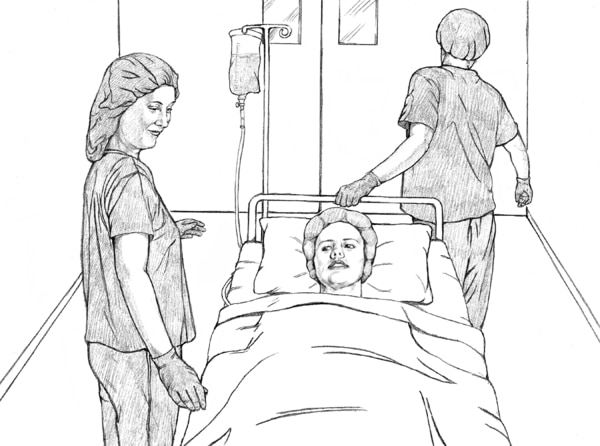
Image: National Institute of Diabetes and Digestive and Kidney Diseases (NIDDK), NIH
What Is Esophageal Dilation?
Esophageal dilation gently stretches a narrowed area of the esophagus, often caused by chronic GERD, scar tissue, or inflammation, to relieve difficulty swallowing and restore more comfortable eating.
Why Is It Done? (Indications)
- Difficulty swallowing due to esophageal narrowing (stricture)
- Food regularly getting stuck
- Narrowing found on a prior upper endoscopy
How to Prepare
Step 1
Fasting for 6 to 8 hours beforehand
Step 2
Reviewing current medications, especially blood thinners
Step 3
Arranging a ride home if sedation is used
How It's Performed
Performed during an upper endoscopy, your gastroenterologist uses a balloon or graduated dilators to gently and gradually widen the narrowed segment of the esophagus.
What Happens After (Recovery)
Brief rest as sedation wears off
Resume normal diet and activity
Results reviewed with your doctor
Most patients go home the same day and can resume a normal diet gradually, starting with soft foods, per your gastroenterologist's guidance.
Risks
- Mild throat discomfort or soreness
- Rare bleeding
- Very rare risk of perforation
 Reviewed by Dr. Anthony Marchetti, MD
Doctors Who Perform This Procedure
Dr. Anthony Marchetti, MDMedical Director, Gastroenterology
Benefits
- Often provides quick, noticeable relief from swallowing difficulty
- Performed during the same visit as diagnostic endoscopy
- Can typically be repeated if narrowing recurs