

Bowel & Intestinal
Celiac Disease
An autoimmune reaction to gluten that damages the small intestine.
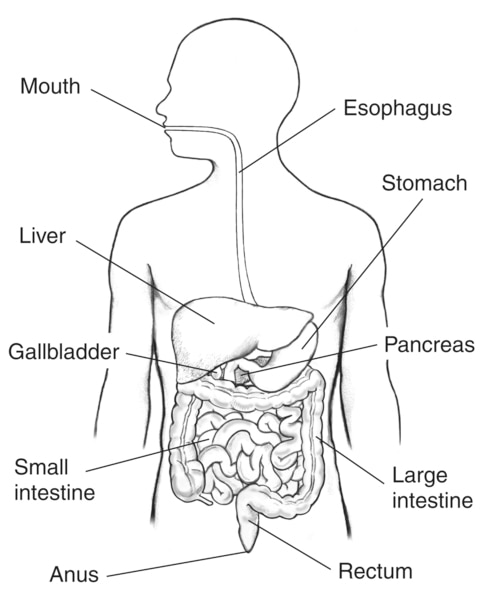
Image: National Institute of Diabetes and Digestive and Kidney Diseases (NIDDK), NIH
CategoryBowel & Intestinal
Typical NatureChronic, autoimmune
UrgencyRoutine evaluation
What Is Celiac Disease?
Celiac disease is an autoimmune condition where eating gluten triggers an immune response that damages the small intestine's lining, impairing nutrient absorption. A strict gluten-free diet is currently the only effective treatment.
Symptoms of Celiac Disease
Common Symptoms
- Diarrhea or constipation
- Bloating and gas
- Fatigue
- Unexplained weight loss
- Iron-deficiency anemia
Causes & Risk Factors
Common Causes
- An autoimmune reaction to gluten in genetically predisposed individuals
Risk Factors
When to See a Doctor: Red-Flag Symptoms
Most digestive symptoms can be evaluated at a routine visit. However, seek prompt medical attention if you experience any of the following:
- Rectal bleeding or blood in the stool
- Severe or worsening abdominal pain
- High fever with abdominal symptoms
- Signs of dehydration (dizziness, reduced urination)
If you're experiencing a medical emergency, call 911 or go to your nearest emergency room.
How Celiac Disease Is Diagnosed
- A detailed symptom history and physical exam
- Stool studies or blood work as indicated
- Colonoscopy or sigmoidoscopy for direct visualization
- Breath testing for suspected SIBO or intolerances
Treatment Options
- Confirmatory blood testing and biopsy
- A strict, lifelong gluten-free diet
- Nutritional deficiency correction
- Ongoing monitoring for healing
Related Services & Procedures
Prevention
- There's no way to prevent celiac disease, but early diagnosis prevents long-term complications from ongoing intestinal damage.
Related Conditions
Frequently Asked Questions
We typically start with blood antibody testing, followed by an upper endoscopy with small intestine biopsy to confirm the diagnosis before you start a gluten-free diet.
No — doing so can make testing inaccurate. Continue your normal diet until we've completed testing, then start the gluten-free diet under guidance.
No — celiac disease is an autoimmune condition causing measurable intestinal damage, while gluten sensitivity causes symptoms without that same immune-mediated damage.
 Reviewed by Dr. Anthony Marchetti, MD
This content is for informational purposes only and is not a substitute for professional medical advice, diagnosis, or treatment.