

Upper GI & Esophagus
Stomach Pain
Persistent or recurring stomach pain with a wide range of possible underlying causes.
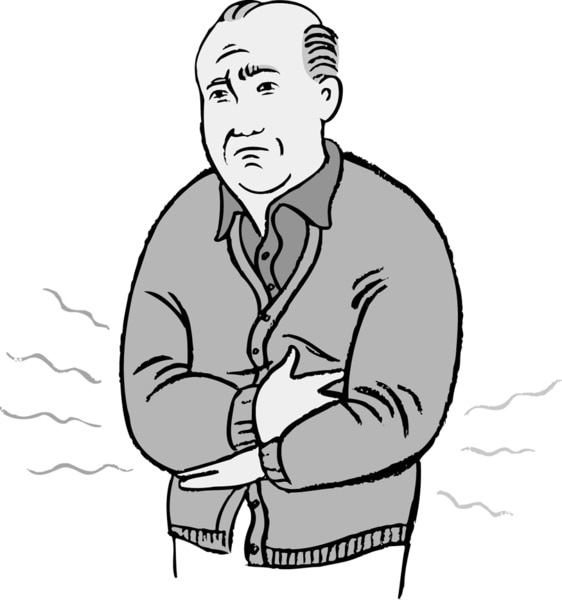
Image: National Institute of Diabetes and Digestive and Kidney Diseases (NIDDK), NIH
CategoryUpper GI
Typical NatureVaries
UrgencyEvaluate if persistent
What Is Stomach Pain?
Stomach pain is one of the most common reasons patients see a gastroenterologist, and its causes range from mild and temporary to conditions that need ongoing management. Location, timing, and associated symptoms all help narrow down the cause.
Symptoms of Stomach Pain
Common Symptoms
- Dull, aching, or sharp pain in the upper abdomen
- Pain that worsens or improves with eating
- Bloating or a feeling of fullness
- Nausea
- Pain that wakes you at night
Causes & Risk Factors
Common Causes
- Gastritis or peptic ulcers
- GERD
- Gallbladder disease
- Functional dyspepsia
- Infection, including H. pylori
Risk Factors
When to See a Doctor: Red-Flag Symptoms
Most digestive symptoms can be evaluated at a routine visit. However, seek prompt medical attention if you experience any of the following:
- Difficulty or pain swallowing
- Vomiting blood or material resembling coffee grounds
- Unintended, unexplained weight loss
- Persistent vomiting that doesn't improve
If you're experiencing a medical emergency, call 911 or go to your nearest emergency room.
How Stomach Pain Is Diagnosed
- A detailed symptom history and physical exam
- Upper endoscopy to directly examine the esophagus and stomach
- H. pylori testing when indicated
- Imaging or lab work to rule out related causes
Treatment Options
- Targeted testing to identify the cause
- Medication for acid-related conditions
- H. pylori testing and treatment when positive
- Dietary adjustments
Related Services & Procedures
Prevention
- Avoiding excessive NSAID use
- Eating smaller, more frequent meals
- Managing stress
- Limiting alcohol
Related Conditions
Frequently Asked Questions
Sudden, severe pain, pain with a rigid or very tender abdomen, or pain with vomiting blood or fainting needs emergency care right away.
It's possible — gallbladder pain typically occurs in the upper right abdomen, often after fatty meals. We can help distinguish this from other causes.
Not always — it depends on your symptom pattern, age, and any alarm features. We'll recommend one if it's the right next step for your situation.
 Reviewed by Dr. Anthony Marchetti, MD
This content is for informational purposes only and is not a substitute for professional medical advice, diagnosis, or treatment.