

Liver, Rectal & More
Diverticulitis
Inflammation or infection of small pouches that can form in the colon wall.
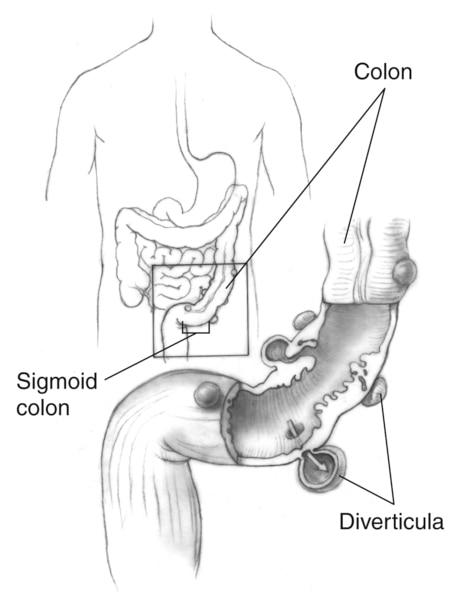
Image: National Institute of Diabetes and Digestive and Kidney Diseases (NIDDK), NIH
CategoryLiver, Rectal & More
Typical NatureAcute episodes
UrgencyEvaluate promptly
What Is Diverticulitis?
Diverticula are small pouches that can form in the colon wall, especially with age. When they become inflamed or infected, it's called diverticulitis — a condition that ranges from mild to requiring hospitalization.
Symptoms of Diverticulitis
Common Symptoms
- Abdominal pain, often in the lower left side
- Fever
- Nausea
- Changes in bowel habits
- Tenderness in the abdomen
Causes & Risk Factors
Common Causes
- Increased pressure in the colon over time
- A low-fiber diet
- Aging
Risk Factors
When to See a Doctor: Red-Flag Symptoms
Most digestive symptoms can be evaluated at a routine visit. However, seek prompt medical attention if you experience any of the following:
- Yellowing of the skin or eyes (jaundice)
- Severe abdominal pain, especially radiating to the back
- Black or tarry stools
- Sudden, significant abdominal swelling
If you're experiencing a medical emergency, call 911 or go to your nearest emergency room.
How Diverticulitis Is Diagnosed
- A detailed symptom history and physical exam
- Blood work to assess organ function
- Imaging such as ultrasound or elastography
- Endoscopic or specialist evaluation when indicated
Treatment Options
- Antibiotics for infected diverticulitis
- Dietary modification during flares and recovery
- Hospitalization for severe cases
- Surgery for recurrent or complicated cases
Related Services & Procedures
Prevention
- A high-fiber diet
- Regular physical activity
- Maintaining a healthy weight
- Not smoking
Related Conditions
Frequently Asked Questions
No — diverticulosis simply means you have diverticula (pouches) present, often without symptoms. Diverticulitis is when those pouches become inflamed or infected.
Yes, recurrence is common. After a flare resolves, we typically discuss dietary and lifestyle changes to help reduce your risk of future episodes.
Most cases resolve with antibiotics and dietary changes. Surgery is generally reserved for recurrent, severe, or complicated cases.
 Reviewed by Dr. Anthony Marchetti, MD
This content is for informational purposes only and is not a substitute for professional medical advice, diagnosis, or treatment.