

Liver, Rectal & More
Pancreatitis
Inflammation of the pancreas that can be sudden (acute) or ongoing (chronic).
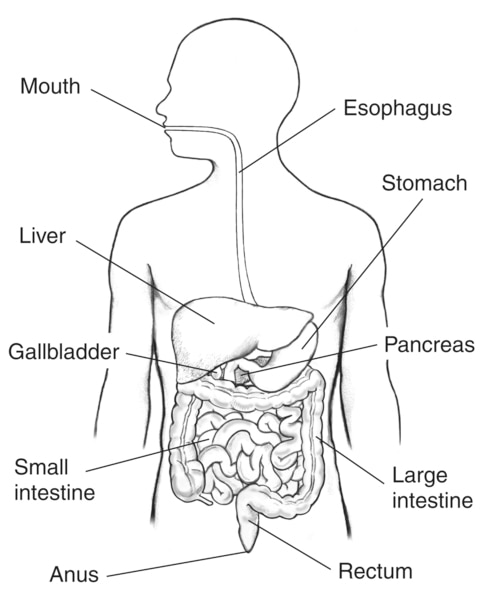
Image: National Institute of Diabetes and Digestive and Kidney Diseases (NIDDK), NIH
CategoryLiver, Rectal & More
Typical NatureAcute or chronic
UrgencyUrgent evaluation
What Is Pancreatitis?
Pancreatitis is inflammation of the pancreas, an organ that plays a key role in digestion and blood sugar regulation. It can occur suddenly (acute) or develop into a chronic, ongoing condition, often requiring different management approaches.
Symptoms of Pancreatitis
Common Symptoms
- Upper abdominal pain, often radiating to the back
- Nausea and vomiting
- Fever
- Rapid pulse
- Unintended weight loss in chronic cases
Causes & Risk Factors
Common Causes
- Gallstones
- Heavy alcohol use
- Certain medications
- High triglyceride levels
- Genetic factors in some chronic cases
Risk Factors
When to See a Doctor: Red-Flag Symptoms
Most digestive symptoms can be evaluated at a routine visit. However, seek prompt medical attention if you experience any of the following:
- Yellowing of the skin or eyes (jaundice)
- Severe abdominal pain, especially radiating to the back
- Black or tarry stools
- Sudden, significant abdominal swelling
If you're experiencing a medical emergency, call 911 or go to your nearest emergency room.
How Pancreatitis Is Diagnosed
- A detailed symptom history and physical exam
- Blood work to assess organ function
- Imaging such as ultrasound or elastography
- Endoscopic or specialist evaluation when indicated
Treatment Options
- Hospitalization and supportive care for acute cases
- Addressing the underlying cause, such as gallstones
- Enzyme replacement for chronic pancreatic insufficiency
- Lifestyle changes to prevent recurrence
Related Services & Procedures
Prevention
- Moderating alcohol intake
- Managing triglyceride levels
- Treating gallstones promptly when identified
Related Conditions
Frequently Asked Questions
Acute pancreatitis often requires hospitalization for pain control, fluids, and monitoring, so sudden severe abdominal pain with these symptoms should be evaluated urgently.
Yes — gallstones are actually the most common cause overall, along with high triglycerides and certain medications.
It can, since ongoing damage may reduce the pancreas's ability to produce digestive enzymes, which we manage with enzyme replacement therapy.
 Reviewed by Dr. Anthony Marchetti, MD
This content is for informational purposes only and is not a substitute for professional medical advice, diagnosis, or treatment.