

Liver, Rectal & More
Colon Polyps
Small growths on the colon lining that can, in some cases, develop into cancer.
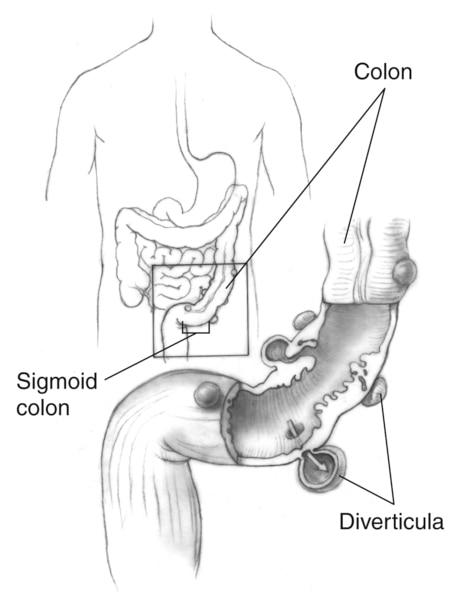
Image: National Institute of Diabetes and Digestive and Kidney Diseases (NIDDK), NIH
CategoryLiver, Rectal & More
Typical NatureUsually asymptomatic
UrgencyScreening-based
What Is Colon Polyps?
Colon polyps are small growths on the lining of the colon. Most are harmless, but certain types can develop into colon cancer over time if not removed — which is exactly why screening colonoscopy matters.
Symptoms of Colon Polyps
Common Symptoms
- Usually no symptoms
- Occasionally rectal bleeding
- Rarely, a change in bowel habits with larger polyps
Causes & Risk Factors
Common Causes
- Genetic factors
- Age-related changes in the colon lining
- Diet and lifestyle factors
Risk Factors
When to See a Doctor: Red-Flag Symptoms
Most digestive symptoms can be evaluated at a routine visit. However, seek prompt medical attention if you experience any of the following:
- Yellowing of the skin or eyes (jaundice)
- Severe abdominal pain, especially radiating to the back
- Black or tarry stools
- Sudden, significant abdominal swelling
If you're experiencing a medical emergency, call 911 or go to your nearest emergency room.
How Colon Polyps Is Diagnosed
- A detailed symptom history and physical exam
- Blood work to assess organ function
- Imaging such as ultrasound or elastography
- Endoscopic or specialist evaluation when indicated
Treatment Options
- Removal during colonoscopy (polypectomy)
- Pathology review to determine polyp type
- Individualized surveillance intervals based on findings
Related Services & Procedures
Prevention
- Regular screening colonoscopy starting at age 45
- A high-fiber, lower-processed-meat diet
- Not smoking
Related Conditions
Frequently Asked Questions
No — most polyps are benign, but certain types (adenomas) have the potential to become cancerous over time, which is why we remove them when found.
No — polyp removal during colonoscopy is painless since it's done under sedation and the colon lining itself doesn't have pain receptors.
It depends on the number, size, and type of polyps found. We'll recommend a personalized surveillance interval, often 3 to 5 years.
 Reviewed by Dr. Anthony Marchetti, MD
This content is for informational purposes only and is not a substitute for professional medical advice, diagnosis, or treatment.