

Liver, Rectal & More
Rectal Bleeding
Blood from the rectum that always warrants evaluation, even when hemorrhoids seem likely.
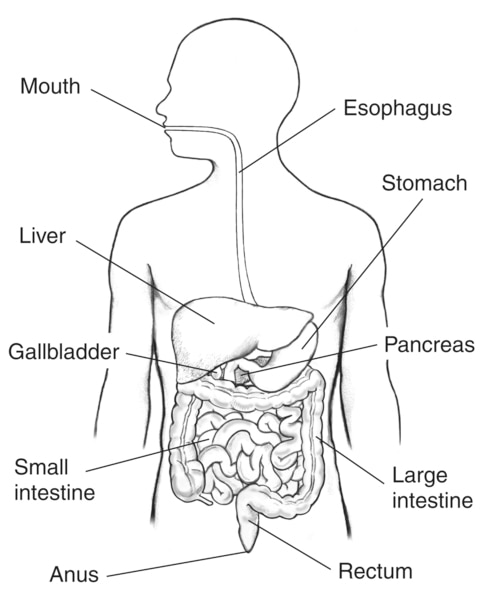
Image: National Institute of Diabetes and Digestive and Kidney Diseases (NIDDK), NIH
CategoryLiver, Rectal & More
Typical NatureSymptom, not diagnosis
UrgencyAlways evaluate
What Is Rectal Bleeding?
Rectal bleeding has many possible causes, from hemorrhoids to polyps to more serious conditions. Because the causes range so widely in seriousness, we recommend every case be evaluated rather than assumed.
Symptoms of Rectal Bleeding
Common Symptoms
- Bright red blood on toilet paper or in the toilet
- Dark or tarry stools
- Blood mixed into the stool
- Bleeding with or without pain
Causes & Risk Factors
Common Causes
- Hemorrhoids
- Anal fissures
- Diverticulitis
- Colon polyps
- Inflammatory bowel disease
- Colorectal cancer, in some cases
Risk Factors
When to See a Doctor: Red-Flag Symptoms
Most digestive symptoms can be evaluated at a routine visit. However, seek prompt medical attention if you experience any of the following:
- Yellowing of the skin or eyes (jaundice)
- Severe abdominal pain, especially radiating to the back
- Black or tarry stools
- Sudden, significant abdominal swelling
If you're experiencing a medical emergency, call 911 or go to your nearest emergency room.
How Rectal Bleeding Is Diagnosed
- A detailed symptom history and physical exam
- Blood work to assess organ function
- Imaging such as ultrasound or elastography
- Endoscopic or specialist evaluation when indicated
Treatment Options
- A thorough exam and history to narrow the cause
- Colonoscopy for evaluation when indicated
- Treatment targeted to the underlying cause
Related Services & Procedures
Prevention
- Prevention depends on the cause; regular screening colonoscopy is the best tool for catching serious causes early.
Related Conditions
Frequently Asked Questions
Not always — it's often due to hemorrhoids or fissures — but because it can also signal something more serious, it should always be evaluated rather than assumed.
Heavy, ongoing bleeding, bleeding with dizziness or fainting, or bleeding with severe abdominal pain warrants emergency care.
Often yes, especially if the cause isn't obvious on exam or if you have risk factors for colon cancer, since it lets us directly examine the colon lining.
 Reviewed by Dr. Anthony Marchetti, MD
This content is for informational purposes only and is not a substitute for professional medical advice, diagnosis, or treatment.