

Liver, Rectal & More
Hemorrhoids
Swollen veins in the rectum or anus that can cause bleeding and discomfort.
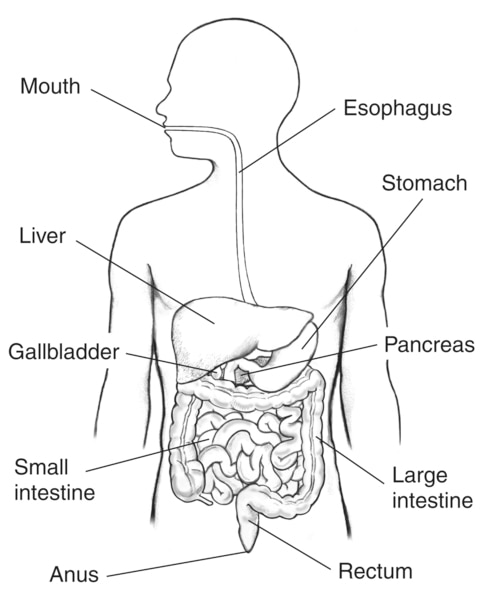
Image: National Institute of Diabetes and Digestive and Kidney Diseases (NIDDK), NIH
CategoryLiver, Rectal & More
Typical NatureCommon, treatable
UrgencyRoutine evaluation
What Is Hemorrhoids?
Hemorrhoids are swollen veins in the rectal or anal area, and they're extremely common — most people experience them at some point. They range from mildly annoying to quite painful, and treatment depends on severity and location.
Symptoms of Hemorrhoids
Common Symptoms
- Rectal bleeding, often bright red
- Itching or irritation
- Pain or discomfort, especially with external hemorrhoids
- A lump near the anus
Causes & Risk Factors
Common Causes
- Straining during bowel movements
- Chronic constipation or diarrhea
- Pregnancy
- Prolonged sitting
- Aging
Risk Factors
When to See a Doctor: Red-Flag Symptoms
Most digestive symptoms can be evaluated at a routine visit. However, seek prompt medical attention if you experience any of the following:
- Yellowing of the skin or eyes (jaundice)
- Severe abdominal pain, especially radiating to the back
- Black or tarry stools
- Sudden, significant abdominal swelling
If you're experiencing a medical emergency, call 911 or go to your nearest emergency room.
How Hemorrhoids Is Diagnosed
- A detailed symptom history and physical exam
- Blood work to assess organ function
- Imaging such as ultrasound or elastography
- Endoscopic or specialist evaluation when indicated
Treatment Options
- Dietary and lifestyle changes to reduce straining
- Topical treatments for symptom relief
- In-office banding for persistent internal hemorrhoids
- Surgical options for severe cases
Related Services & Procedures
Prevention
- Adequate fiber and fluid intake
- Avoiding prolonged sitting or straining
- Responding promptly to the urge to have a bowel movement
Related Conditions
Frequently Asked Questions
Hemorrhoids themselves are rarely dangerous, but any rectal bleeding should be evaluated to make sure it isn't coming from a different, more serious cause.
Mild cases often improve with dietary changes and time, but persistent or bleeding hemorrhoids typically benefit from evaluation and, sometimes, in-office treatment.
Most patients tolerate the procedure well with minimal discomfort, and it's performed right in the office without the need for surgery.
 Reviewed by Dr. Anthony Marchetti, MD
This content is for informational purposes only and is not a substitute for professional medical advice, diagnosis, or treatment.